
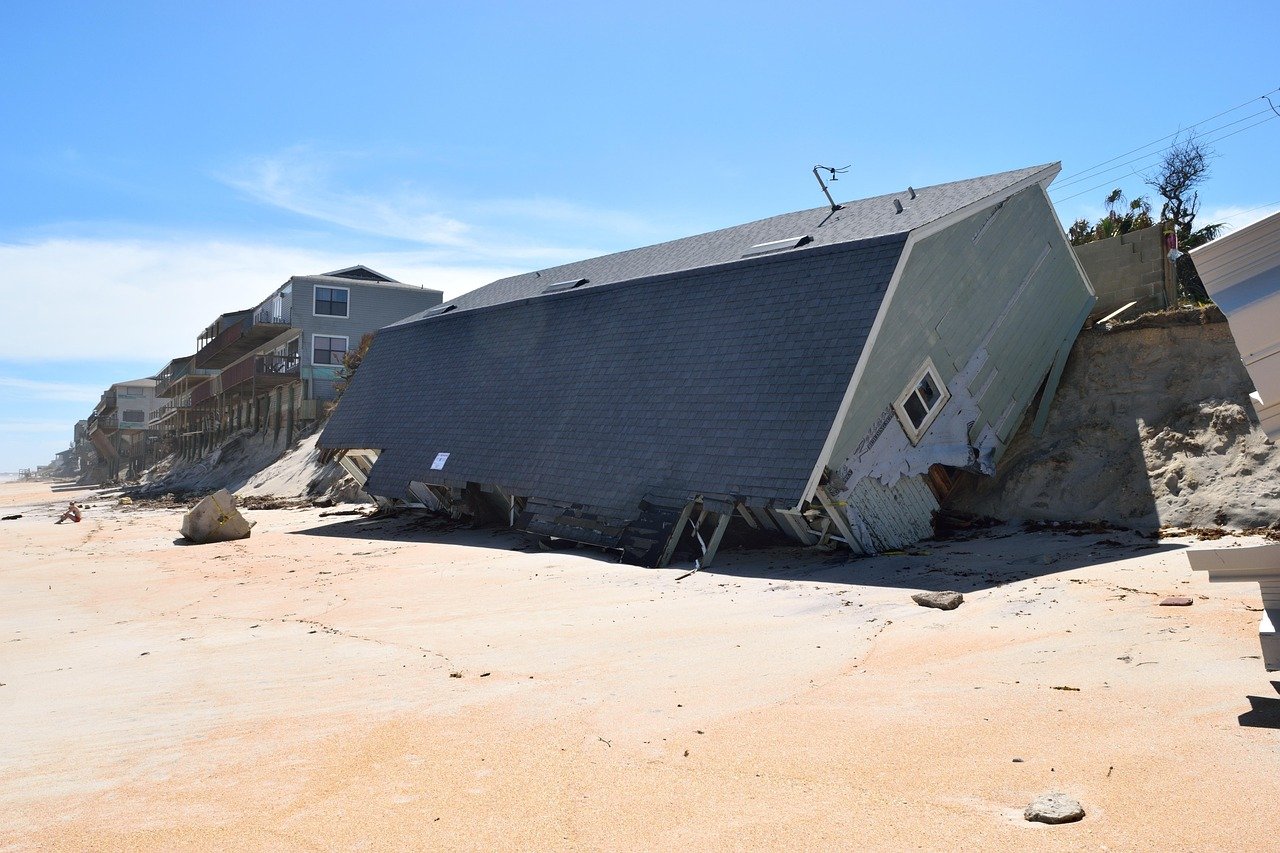
When disaster strikes, filing an insurance claim can feel like a second trauma. You’ve already lost so much — now you’re faced with dense policy language, long wait times, and endless paperwork. It’s no wonder so many survivors describe the claims process as one of the hardest parts of recovery.
Get the Payout You Deserve
But here’s the truth: you can get through this, and you don’t have to do it alone. Many of your neighbors are navigating the same confusing process. Lean on each other, share notes, and don’t be afraid to ask questions. This article walks you through each stage of working with your insurance agent — so you can move forward with confidence and receive the settlement you rightfully deserve.
Step 1: File Your Claim Right Away
Your first call after a disaster should be to your insurance company. You need to report your loss and request coverage for temporary housing if you’ve been displaced. Be sure your insurance agent has your current phone number and the address where you’re staying.
Most policies (and many state laws) require you to notify your insurer promptly after a loss. This protects your right to coverage. In California and many other states, insurers must respond to you within 15 days of receiving your claim, providing any necessary forms and beginning their investigation.
When you file, immediately ask for a complete copy of your policy in writing (not just a summary). This is your roadmap. You’ll need it to understand what’s covered and what isn’t.
Take note of what kind of home insurance policy you have:
- Actual Cash Value (ACV) — covers your home and belongings based on depreciated value (what they were worth before the loss).
- Replacement Cost Value (RCV) — covers what it would cost to replace or rebuild new, today.
- Guaranteed or Extended Replacement Coverage (GRC) —covers the full cost to rebuild, even if costs exceed your policy limit.
Most homeowner’s policies include several categories of coverage:
- Dwelling: your home’s main structure.
- Other structures: garages, sheds, fences, decks.
- Personal property: furniture, clothing, appliances, electronics.
- Loss of use: temporary housing and living expenses while displaced.
- Landscaping: limited coverage for trees, shrubs, or outdoor features, often capped at 5% of your total coverage.
When reviewing your policy, pay special attention to what’s not covered—such as code upgrades or certain landscaping—and take note of any separate deductibles (for example, hurricane or wind damage). Also, write down all your claim filing deadlines on your calendar. Missing one can delay or jeopardize your claim.
Step 2: Secure Temporary Housing
If your home is uninhabitable, your “Loss of Use” coverage determines how much your insurer will reimburse you for hotels, rentals, and even restaurant meals while your home is being repaired or rebuilt.
Keep every receipt—hotel bills, restaurant tabs, rental agreements, gas for commuting to work, and even pet boarding if applicable. You’ll need to submit them to your insurance company for reimbursement.
Don’t be afraid to ask your agent to clarify what qualifies. And don’t feel pressured to cut corners or stay with family to save costs. This coverage exists to help you live safely and comfortably while you rebuild your life. Use it.
Step 3: Decide Whether to Hire a Public Adjuster
Filing an insurance claim is time-consuming, technical, and—let’s be honest—emotionally draining. If you’re overwhelmed by paperwork or facing a large loss, a licensed public adjuster can be a lifeline. Unlike the adjuster assigned by your insurance company, a public adjuster works for you—not for the insurer.
Their job is to assess damage, interpret your policy, and negotiate a fair settlement on your behalf. In most states, they must be licensed, though some states only allow attorneys to handle negotiations. Check your state’s rules before hiring anyone.
Public adjusters usually charge between 5–15% of your final settlement or a flat fee. While this may sound expensive, consider that insurance companies often offer 20—50% less than the true rebuilding cost. If you are unsure about your negotiating skills and a public adjuster gets you close to the full rebuilding cost, it will justify their fee.
If you choose to hire one, do so early so they can help you document every aspect of your loss and advocate for you from the start. Check out the National Association of Public Insurance Adjusters to find a public adjuster in your state.
Step 4: Review the Insurance Company’s Estimate Carefully
Once your claim is filed, your insurance company will assign its own adjuster to inspect the property and estimate your losses. They’ll determine what’s covered under your policy and calculate a proposed payout.
Be prepared to provide detailed information about what was damaged or destroyed. This can include:
- Written inventories of damaged personal property
- Photos and videos taken before and after the disaster
- Estimates for design and construction
- Engineer reports, if applicable
If you already have bids from builders or contractors, include them. This helps support your own cost estimates and shows that your numbers are based on professional opinions.
Important: You are not required to accept the insurance company’s first offer. Their adjuster represents their interests, not yours, and it’s common for initial estimates to come in low. If something seems undervalued, request a detailed explanation in writing. You have every right to push back with documentation and independent valuations.
Step 5: Complete Your Proof of Loss Form
The Proof of Loss form is one of the most important documents in the claims process. It’s your official, written statement of what was lost and how much it will cost to replace or rebuild.
You can use your insurance company’s form or create your own. Either way, include:
- The total amount of loss (dwelling, personal property, and temporary living expenses).
- The date and cause of the loss.
- Your contact information.
- Evidence supporting your claim (photos, receipts, videos, appraisals, contractor quotes, home inventory).
If you’re still collecting bids or documentation, note on the form that “this estimate is preliminary and subject to change as actual costs emerge.” Most insurers accept this phrasing as long as you’re acting in good faith.
Include as many details as possible
- For actual cash value (ACV) coverage: Your payout reflects the depreciated value of your home and belongings — not their replacement cost. To avoid being underpaid, create a detailed list of your home’s original features: siding, roofing, flooring, appliances, fixtures, and finishes. Include photos, receipts, or appraisals whenever possible. If you’re unsure of your home’s pre-disaster value, a local real estate agent can often provide an appraisal to help back up your claim.
- For replacement cost coverage: Your goal is to document today’s full cost to rebuild. That includes permits, materials, labor, design fees, debris removal, code upgrades, and landscaping. Even if your policy doesn’t explicitly cover all of these, starting with a comprehensive estimate gives you leverage in negotiations.
- For landscaping claims: Note that coverage often caps at about 5% of your dwelling coverage, with limits per item (for example, $500 per tree or shrub). You might be able to categorize certain items, like sprinkler systems or retaining walls, under “Other Structures” to increase coverage.
- For personal property loss: Your proof of loss form should also include a detailed inventory of your belongings—everything from major appliances and furniture to clothing, books, electronics, tools, and kitchenware. Use photos, receipts, or replacement prices to back up your estimates. List everything you can remember, ideally with photos or receipts. Apps like Sortly or Encircle can make this process easier by organizing photos and descriptions of each item.
If you’ve lost your receipts, try checking online order histories or asking stores for purchase records. Every bit of documentation helps strengthen your claim.
Watch the clock—timing matters
Every policy has its own deadlines. Typically, insurance companies require you to file your Proof of Loss form within 60 days of their official request. Some policies or disaster declarations allow more time, but don’t assume you have an extension—confirm your specific deadlines with your insurer.
If you need help, ask your insurance agent to walk you through each section. While they work for the company, they can still provide clarity on how to complete your paperwork correctly. If you’re missing documents or waiting for bids, send in your best draft with a note that it’s preliminary. This shows good faith and preserves your rights.
Stay Organized, Persistent, and Patient
Filing an insurance claim after a disaster isn’t just paperwork—it’s advocacy. It’s about standing up for your right to be made whole. Keep copies of every email, letter, receipt, estimate, photo, and form in a dedicated folder or binder.Document every phone call. Follow up regularly, and don’t be afraid to push for action if your claim stalls.
Remember, your insurance policy is a contract — one you’ve paid into for years. You have every right to be treated fairly under its terms.
This process may feel like a marathon you didn’t sign up for. But every form you fill out and every phone call you make brings you closer to the finish line. Each step forward, no matter how small, moves you closer to rebuilding your home—and your life.