Learn Your Options Before Hiring Anyone
Finally! After weeks or months of navigating insurance claims, site assessments, and zoning research, you’ve reached a hopeful turning point: it’s time to focus on rebuilding your home. For many homeowners, this moment is both exciting and overwhelming. It’s a chance to think deeply about how you want to live, what kind of spaces will support your lifestyle, and how your new home can honor both your personal needs and the character of your neighborhood.
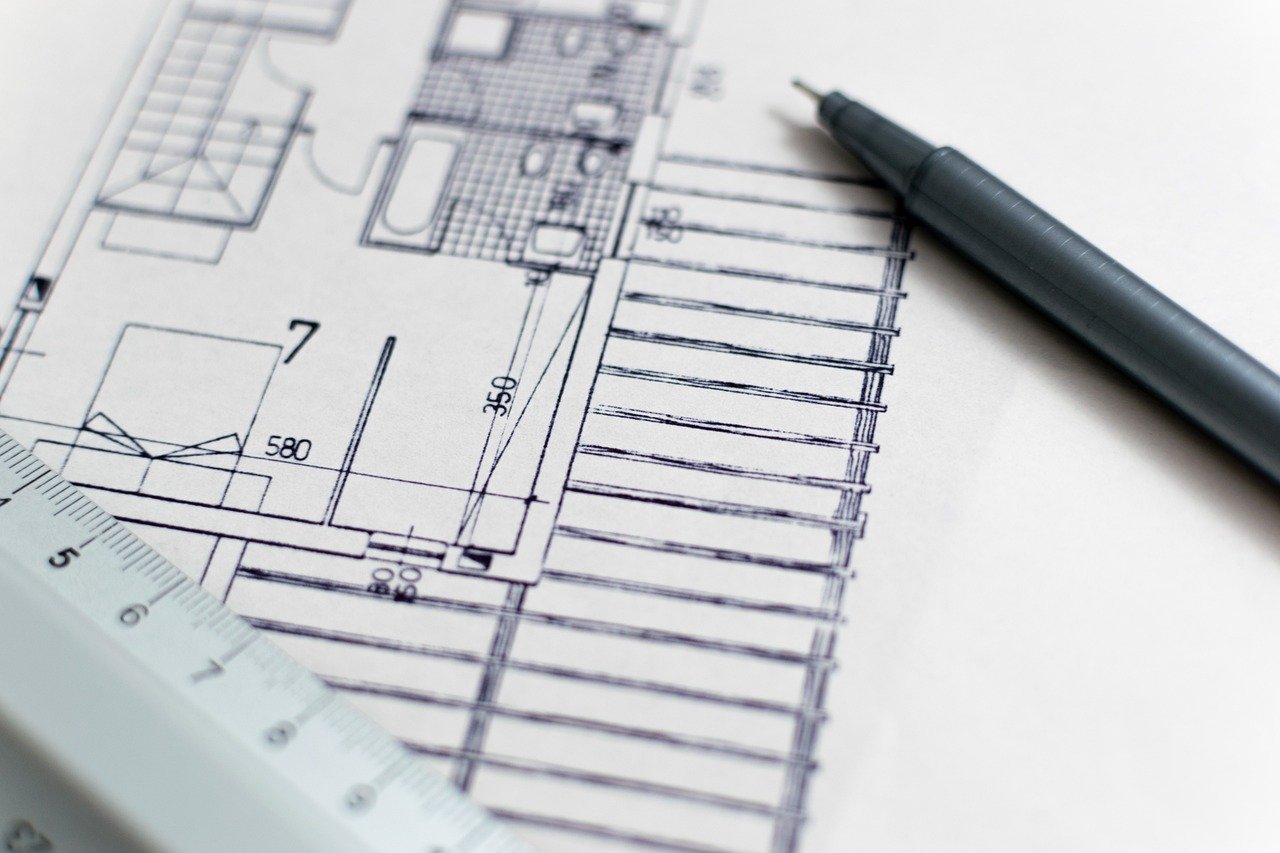
Your decisions will be guided by several factors—your insurance settlement, budget, values, and local codes. No matter what path you choose, one thing is certain: you’ll need a clear, detailed set of working drawings. These are the official plans your city or county requires for permits, and they’re also the roadmap your contractor will use to bring your home back to life.
Working drawings usually include:
- Floor plans with room layouts and dimensions
- Exterior elevations
- Foundation, framing, and structural details
- Electrical, plumbing, and mechanical layouts (if required)
But before you get to that stage, you’ll need to decide how you want to rebuild. Here are three common paths homeowners take after a disaster.
1. Rebuilding What You Had Before
For some, the fastest road to recovery is simply restoring what was lost. If your original home was permitted and built to code, reconstructing it as it was often means fewer complications with planning and approval. It’s also the most comforting option for families who want stability after the trauma of loss.
If you’re lucky, you may still have copies of your home’s original plans. If not, don’t worry—there are several ways to track them down:
- Check your local building department: Many keep archived plans for permitted homes.
- Contact the builder, architect, or developer: If your home was relatively new, they may still have the drawings.
- Ask your HOA: Associations often keep original plans on file.
- Search public records: Visit your local courthouse or building archives.
- Reach out to previous owners or neighbors: In subdivisions, it’s common for multiple homes to share the same design.
If you find your original plans, they’ll still need to be updated. Building codes evolve, especially after disasters, to improve fire, flood, wind, or seismic safety. An architect, engineer, or building designer may need to revise your plans to meet today’s standards.
If the original drawings are gone, you can have them recreated by:
- A draftsperson or building designer (ideal for straightforward rebuilds)
- A licensed architect or engineer (required for complex sites like steep hillsides or homes in high-risk fire or flood zones)
Helpful documentation can make this process easier: pre-disaster photos, insurance inventories, real estate listings, or even satellite imagery. These small details help professionals recreate what was once there.
2. Choosing a Modified Rebuild
Many homeowners see rebuilding as an opportunity to make long-awaited improvements. Maybe your old kitchen felt cramped, or you always dreamed of an office with natural light. By modifying your home’s original design, you can honor what you loved while adapting to your current needs.
Start by asking yourself:
- What worked well in my old home?
- What no longer fits my lifestyle?
- How do I want my new home to feel?
Some common upgrades include:
- Dedicated work-from-home spaces
- Ground-floor bedrooms or accessible bathrooms for aging in place
- Expanded mudrooms or storage
- Better natural light and passive solar design
- Energy-efficient features like solar panels or improved insulation
- Fire-resistant or flood-resistant materials
If you have your original plans, a draftsperson or architect can modify them. Small interior changes may only require minor updates, while structural adjustments—like adding square footage or moving load-bearing walls—call for an architect or design-build firm.
Keep in mind: visible exterior changes often trigger design review by your city or HOA. This can extend your timeline, so if you want to streamline approvals, consider keeping your modifications inside the original footprint.
3. Designing Something New
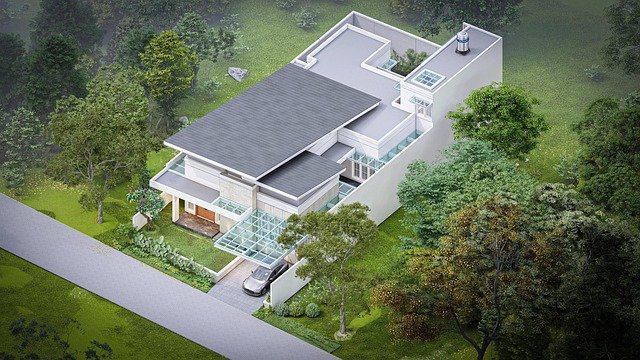
For some, disaster becomes an opportunity to start fresh. Whether you want to downsize, modernize, or build a home tailored to your future, a brand-new design allows for the most creativity. However, it’s also the most time-intensive and often the most expensive path.
A Note on Cost:
Simple shapes—straight walls, simple rooflines—are more affordable and faster to build. Complex designs with dormers, vaulted ceilings, or unusual roof pitches drive up both material costs and labor time.
4 Sources for House Plans
If you decide to start from scratch, here are four ways to get new house plans:
1. Buy stock plans from a catalog
Thousands of pre-designed plans are available online, covering everything from Craftsman cottages to sleek modern homes. They can save months in the design process. But beware—quality varies. Always review the details and ensure the plans include:
- Foundation and framing details
- Floor and roof construction plans
- Elevations and interior drawings
- Electrical schematics
- Structural support details
Many companies offer digital PDF or CAD files, which are easier to modify for local codes. Just make sure your supplier is reputable and provides complete, permit-ready sets.
2. Hire a design professional
Working with an architect, building designer, or draftsperson gives you a home tailored to your site and lifestyle. While it’s an investment, it ensures your home reflects both your vision and local code requirements. Some jurisdictions require licensed professionals for homes over a certain size, in hazard zones, or with complex engineering needs.
3. Hire a design-build firm
A design-build firm bundles the design and construction process under one roof. This approach streamlines communication, since one team manages everything from concept to completion. Look for firms with a strong track record and past projects that inspire you.
4. Purchase a modular home
Modular homes are custom-designed and built in factory sections, then assembled on your site. Today’s modular homes come in a wide range of sizes and styles—often indistinguishable from site-built homes. They still require plans for permits, but manufacturers typically provide stamped drawings and coordinate with local requirements.
Moving from Plans to Permits
Whichever path you choose—restoration, modification, or a fresh design—you’ll need to confirm your plans meet local building codes. Many homeowners are surprised to learn that codes can change dramatically after a major disaster, especially in areas prone to wildfires, floods, or earthquakes.
Before finalizing your plans, check with your city or county to learn:
- What codes are unique to your area
- Whether you’ll need architect-stamped drawings
- If design review is required for visible changes
- Any zoning overlays (fire zones, flood zones, historic districts)
These details may feel like hurdles, but they’re also safeguards—designed to make your new home safer, more resilient, and better prepared for future challenges.
Final Thoughts
Rebuilding after a disaster is never easy. It’s an emotional, logistical, and financial journey. But it’s also an opportunity to reimagine your living space and build a home that reflects not only your past but your future.
Whether you choose to rebuild what you had, make thoughtful modifications, or start anew, the right plans are the foundation of recovery. They translate your vision into reality, ensuring your home is safe, functional, and uniquely yours.
If there’s one takeaway, it’s this: don’t rush this stage. Take time to explore your options, gather the right team, and create plans that not only rebuild your house—but help restore your sense of home.