
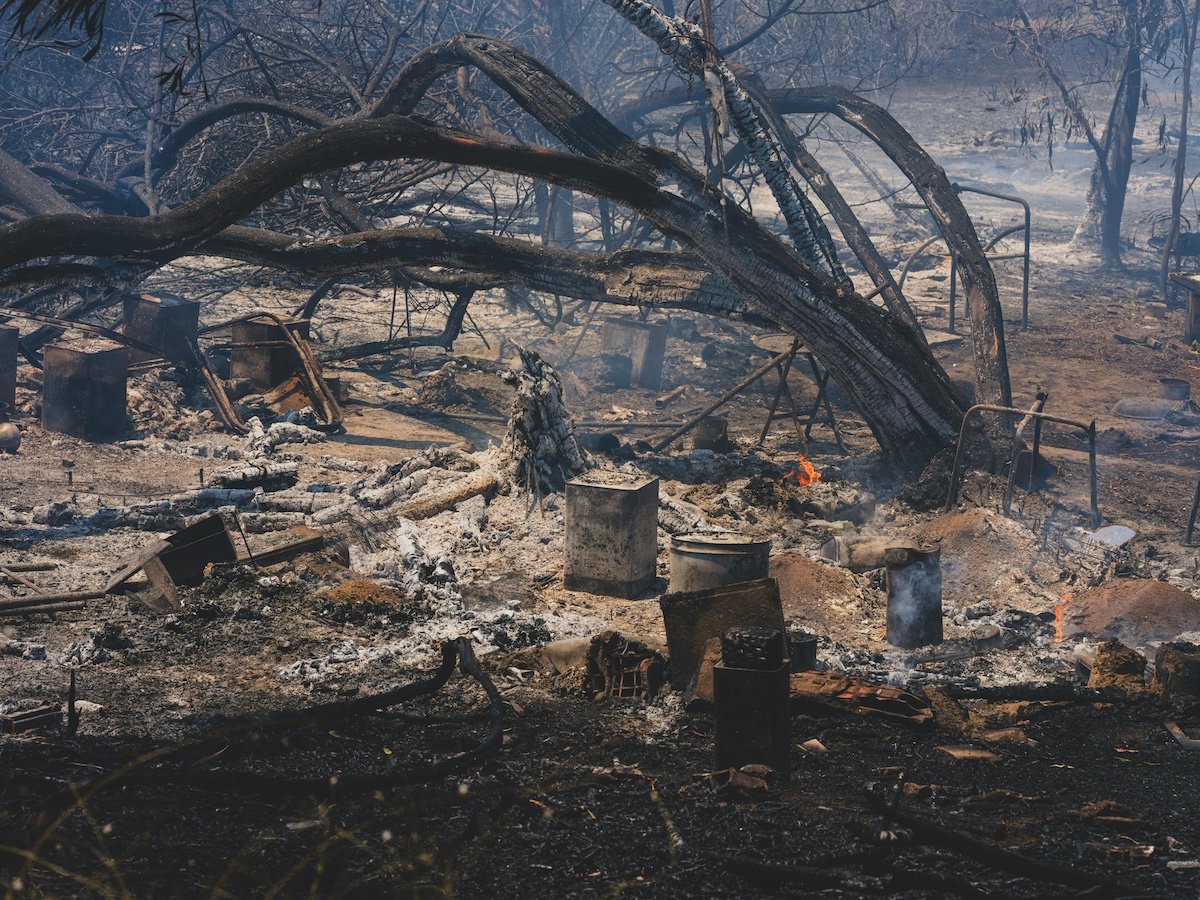
When a disaster destroys or damages your home, your first instinct may be to clean up and find a contractor. But here’s the hard truth: after a disaster, no planning or construction work can begin until you’ve conducted a property assessment. Whether your house was hit by fire, flood, hurricane, or landslide, the first thing you have to do is evaluate the condition of your property.
Who You Need to Hire Before You Can Rebuild
Depending on your situation, you may need to hire a soil, geotechnical engineer, or structural engineer—or all three—to determine whether your land and foundation are stable. These professionals will tell you if your existing foundation is stable or if you’ll need to start over with a new one. They may also recommend temporary measures such as erosion control, protective coverings, or grading to keep the property safe while you plan your rebuild.
This article covers the major considerations you’ll face when assessing your property after a disaster, from debris removal to utility reconnections, drainage, and site-specific risks like wildfire contamination or flood damage.
General Property Considerations After a Disaster
Lot Clearing and Debris Removal
After a major disaster, debris can cover entire neighborhoods: downed trees, ash, twisted metal, broken glass, and hazardous building materials. Do not consider returning to your property until authorities deem it safe. Once they give you clearance, don’t visit until you have the appropriate protective gear, and wear it at all times when rummaging through the remains.
Before removing anything, document your property thoroughly with photos and videos for insurance claims.
Debris removal can be expensive and complicated. Government agencies like FEMA and the Environmental Protection Agency (EPA) often handle clearing public roads, utilities, and rights-of-way to ensure safe access.
On private land, however, debris removal is typically your responsibility. In large-scale disasters, FEMA may fund private lot cleanup if debris poses a public safety risk—but this isn’t guaranteed. You’ll usually need to sign a Right-of-Entry (ROE) form to allow government crews onto your property.
Hot Tip: Contact your local Office of Emergency Services to confirm whether public debris removal programs are available in your area, and what they cover. Independent debris hauling is costly, so knowing your options up front is critical.
Utility Connections
Before rebuilding, confirm the condition of water, sewer, gas, and electrical lines on your property and in the neighborhood. Even if your home was destroyed, underground lines may still be intact—or they may need full replacement. Utility companies should inspect and verify safety before reconnection.
Elevation and Drainage
Water behaves differently after a disaster. Wildfires strip away vegetation, floods shift soil, and landslides alter drainage patterns. Without roots to anchor the soil, erosion and mudslides can happen quickly.
Understanding your lot’s elevation, slope, and natural drainage will shape your new foundation design and help prevent future damage. A flat lot, a hillside property, and a flood-zone home site each come with unique challenges.
Location-Specific Property Considerations
Flat Lots
Flat sites often suffer from pooling water and poor drainage. To prepare for rebuilding:
- Have a soils engineer verify soil compaction to ensure foundation stability.
- Adjust grading to direct water away from the structure.
- Consider French drains or sump systems in areas with high water tables.
Hillside Lots
Sloped properties require special attention. After a wildfire or heavy rain, hillsides are vulnerable to erosion and landslides.
- Hire a geotechnical engineer for slope stability analysis.
- Use foundation systems like piers, caissons, or retaining walls to anchor your home.
- Install erosion control measures (netting, mulch, straw wattles) to stabilize soil during rebuilding.
Wildfire-Destroyed Properties
If your home was lost to fire, the damage goes deeper than what you can see. Have professionals inspect for:
- Foundation integrity: Heat can weaken reinforced concrete and expand steel reinforcements, leading to cracks or crumbling. A structural engineer should evaluate before reuse.
- Hazardous materials: Fires can release asbestos, lead, and toxins into the soil. A hazmat surveyensures safe rebuilding conditions.
- Soil contamination: Ash and chemicals may require soil remediation—such as topsoil removal or biochar amendment.
- Utility line damage: Have gas, water, and electrical lines inspected before reconnection.
- Water system contamination: Test wells or municipal lines for ash and melted plastic byproducts.
- Sewer system damage: Video inspections can catch hidden cracks or blockages.
- Hazardous trees: Burned trees often look stable but may be hollow or unstable. Have an arborist evaluate before site work begins.
Flood Area Properties
Flooded lots come with their own risks, from soil instability to mold contamination:
- Determine your flood zone and elevation requirements for rebuilding.
- Conduct soil testing for compaction, contamination, and saturation.
- Inspect the foundation for hydrostatic pressure damage or heaving soils.
- Test for mold if parts of the structure remain standing.
- Inspect and clean sewer lines, especially under slabs.
- If near coastlines or rivers, evaluate erosion risks and consider sea walls or berms.
- Consider flood vents, French drains, or sump pumps for future protection.
Don’t Skip This Property Assessment
Skipping a property assessment could cost you dearly. If left unaddressed, an unstable slope, damaged foundation, or hidden contamination could force you to tear out completed work, delay permits, or even put your family at risk.
Yes, it’s another hurdle in an already overwhelming process—but one that will save you stress, money, and setbacks down the road. In many cases, the cost of the inspection may be covered by insurance, depending on your policy.
By addressing issues early, you’ll lay the groundwork for a rebuild that’s safe, durable, and better prepared for the future. Think of it as investing in the stability of your future home, and the peace of mind that comes with knowing it’s built to last.
Your Appraisal Checklist
Download and print this checklist and bring it with you when meeting engineers, contractors, or insurance adjusters.
